Shipping oversized equipment in Houston can be a complex task. From heavy machinery to industrial equipment, the challenges include size limitations, weight restrictions, and logistical considerations. By understanding the best practices and strategies for safe and efficient transport, businesses can ensure a smooth, hassle-free delivery.
1. Plan Your Shipment in Advance
Oversized equipment shipping requires meticulous planning. Start by creating a detailed inventory of the items to be shipped, including dimensions, weight, and any special handling requirements. Early planning allows you to secure the right transport vehicles, obtain necessary permits, and schedule delivery to minimize delays.
2. Choose the Right Shipping Method
There are several options for transporting oversized equipment:
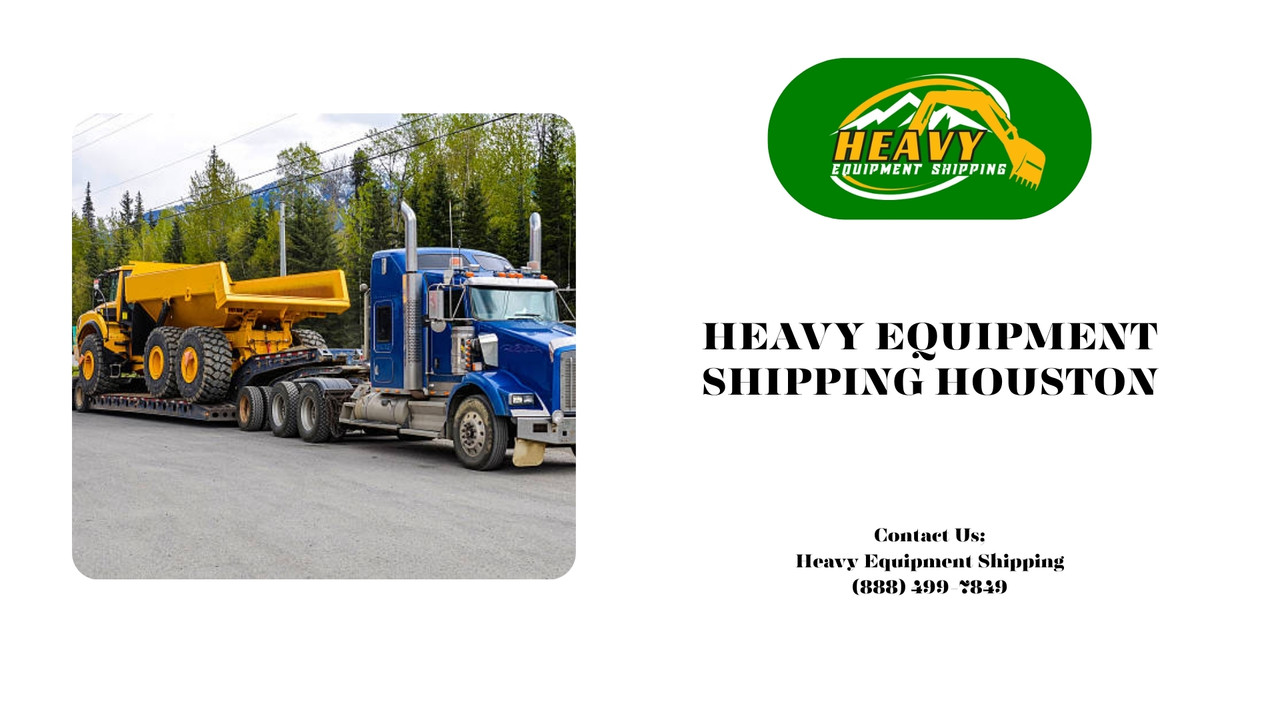
- Flatbed Trucks: Ideal for large machinery that cannot fit in standard trailers. Step Deck Trailers: Lower deck heights make it easier to load taller equipment. Heavy Haul Services: For extremely heavy or wide loads requiring specialized vehicles and permits.
Consult with experienced Houston movers or logistics companies to determine the most suitable method for your shipment.
3. Secure Proper Permits and Documentation
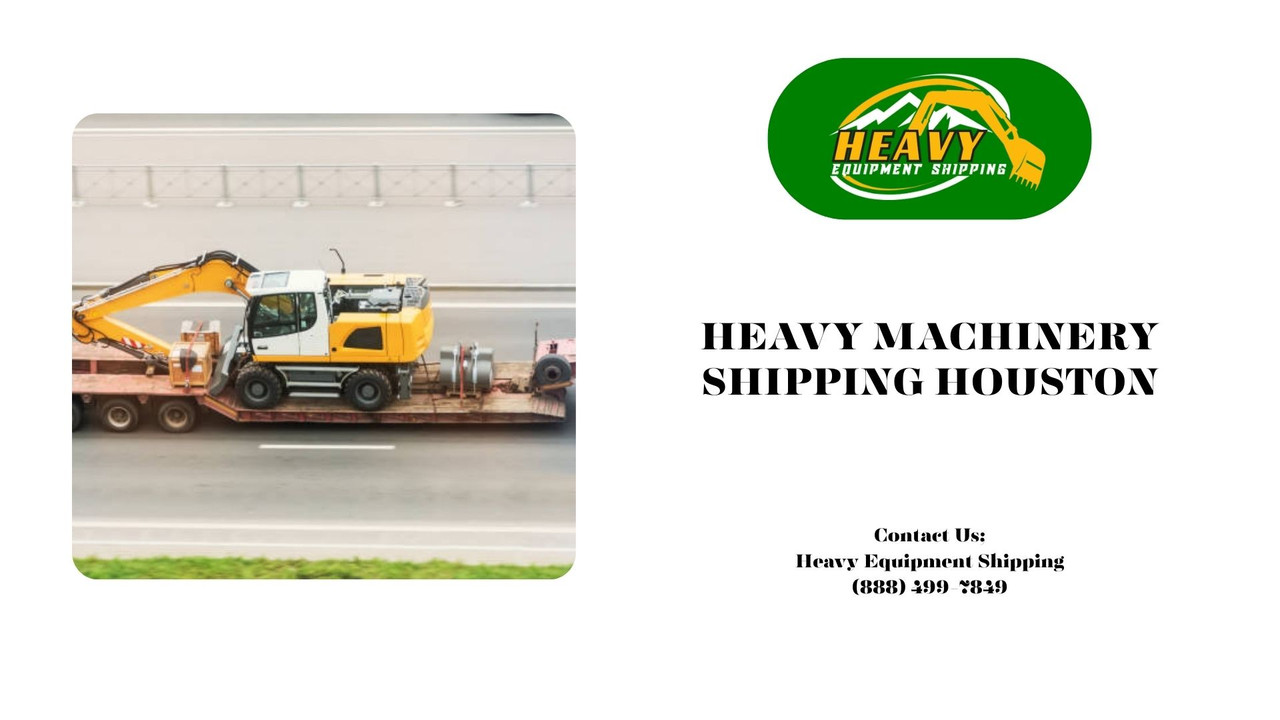
Oversized shipments often require permits, especially for transport over public roads. These permits regulate load size, weight limits, and travel times. Ensure all documentation, including insurance papers and transport manifests, are prepared ahead of time to avoid fines or delays.
4. Use Professional Heavy Equipment Movers
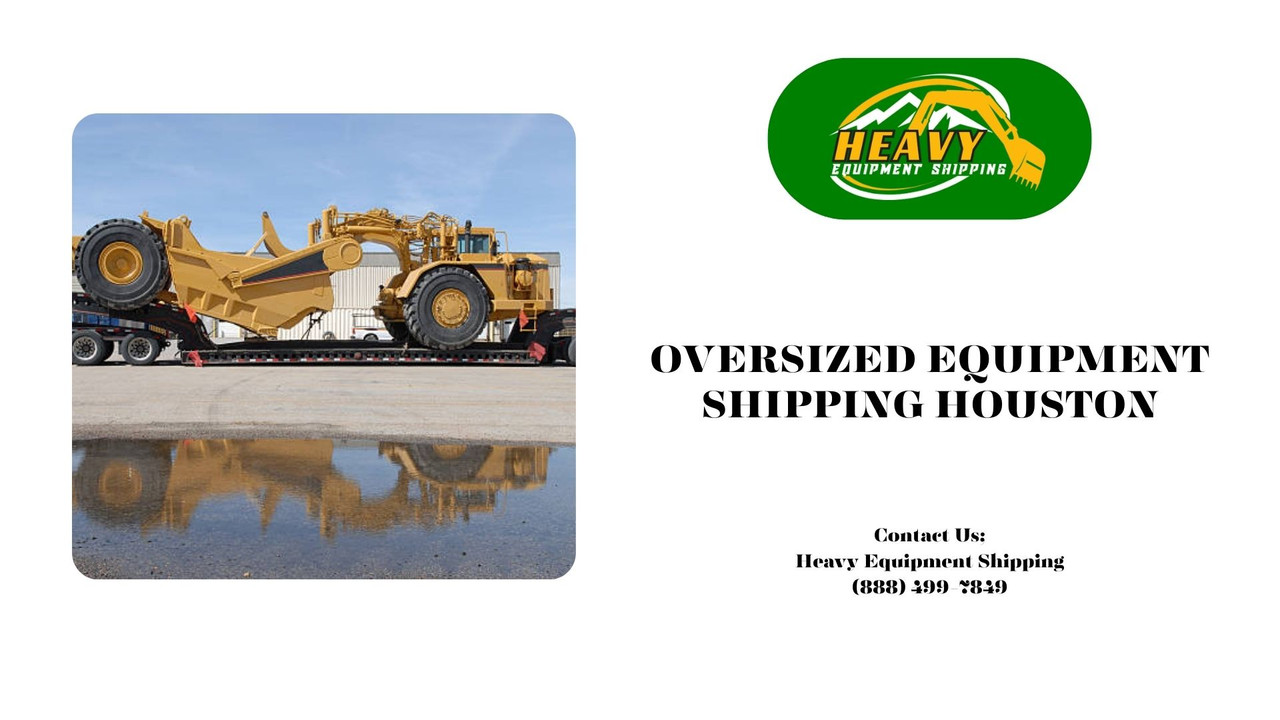
Hiring professionals who specialize in oversized equipment shipping is crucial. Experienced movers understand the logistics, safety requirements, and specialized equipment needed for loading and Construction equipment shipping Houston unloading heavy machinery. Their expertise minimizes risks and ensures timely delivery.
5. Protect Your Equipment During Transit
Proper packing and securing techniques prevent damage during transport. Use strong straps, chains, and padding to stabilize equipment on trucks. For sensitive machinery, consider weatherproof coverings to protect against Houston’s unpredictable climate.
6. Plan for Loading and Unloading
Oversized equipment often requires cranes, forklifts, or specialized rigging to safely load and unload. Ensure the pickup and delivery sites are prepared, with clear access for heavy vehicles. Coordinating these logistics reduces downtime and ensures a smooth operation.
7. Track Your Shipment
Tracking systems provide real-time updates on your equipment’s location and estimated delivery time. Staying informed allows you to anticipate any delays, communicate with the delivery team, and ensure the equipment arrives safely at its destination.
8. Consider Timing and Scheduling
Traffic, road restrictions, and weather can impact delivery times in Houston. Schedule your shipment to avoid peak traffic hours and plan for any route-specific limitations. A well-timed schedule reduces delays and improves efficiency.
9. Communicate Effectively With Your Team
Clear communication between your team, the shipping company, and site personnel is essential. Discuss loading procedures, delivery expectations, and contingency plans. Effective coordination ensures a seamless process from pickup to delivery.
Conclusion
Shipping oversized equipment in Houston doesn’t have to be overwhelming. By planning ahead, choosing the right transport method, hiring experienced movers, and coordinating logistics effectively, you can achieve a hassle-free delivery. Implement these strategies to protect your valuable equipment, minimize risks, and ensure timely arrival at its destination.